
Call us now :08045816408
 Send Inquiry
Rail Joints Rail Track Fittings
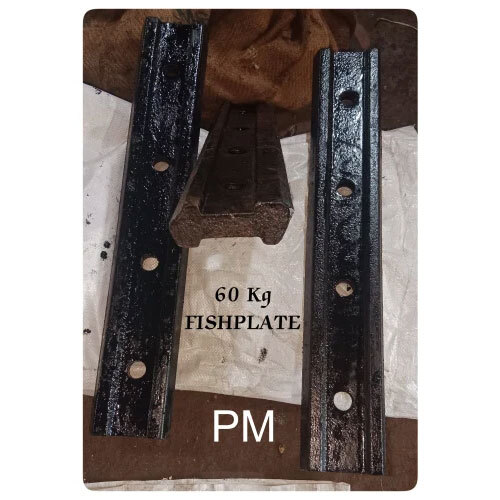
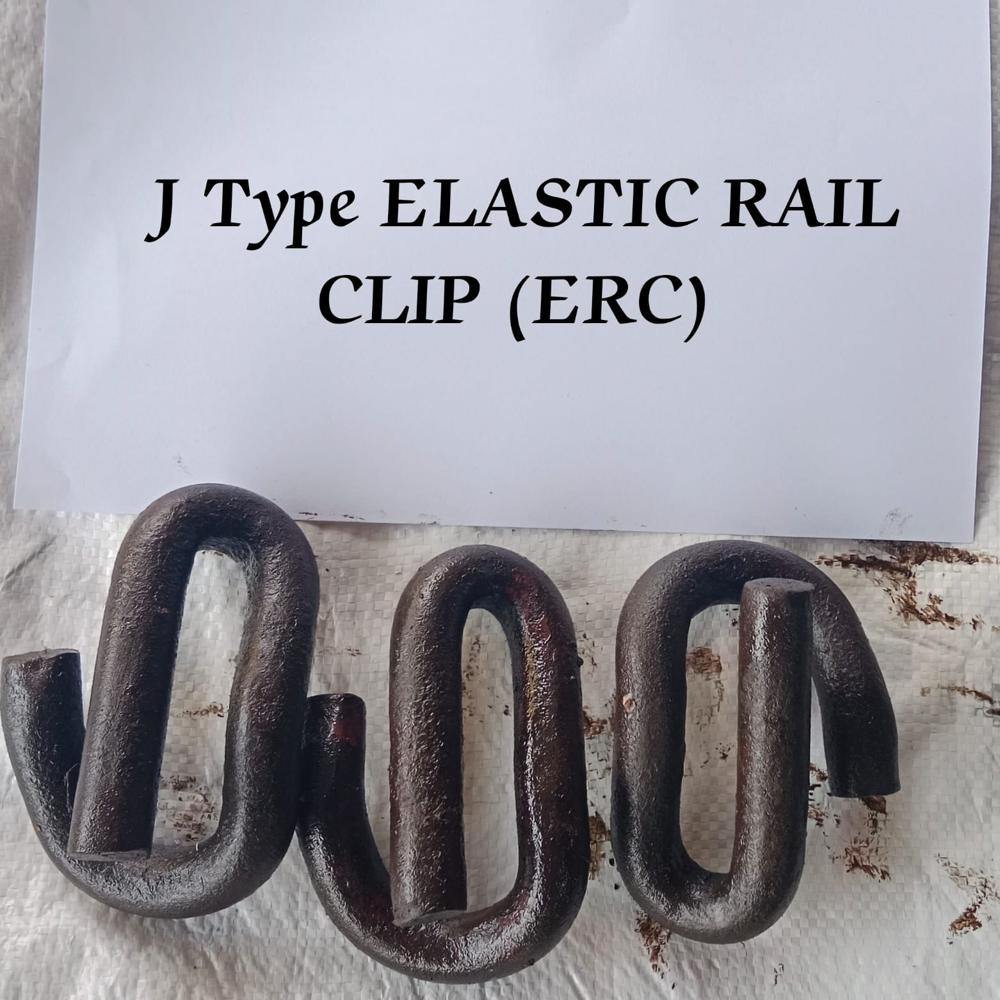
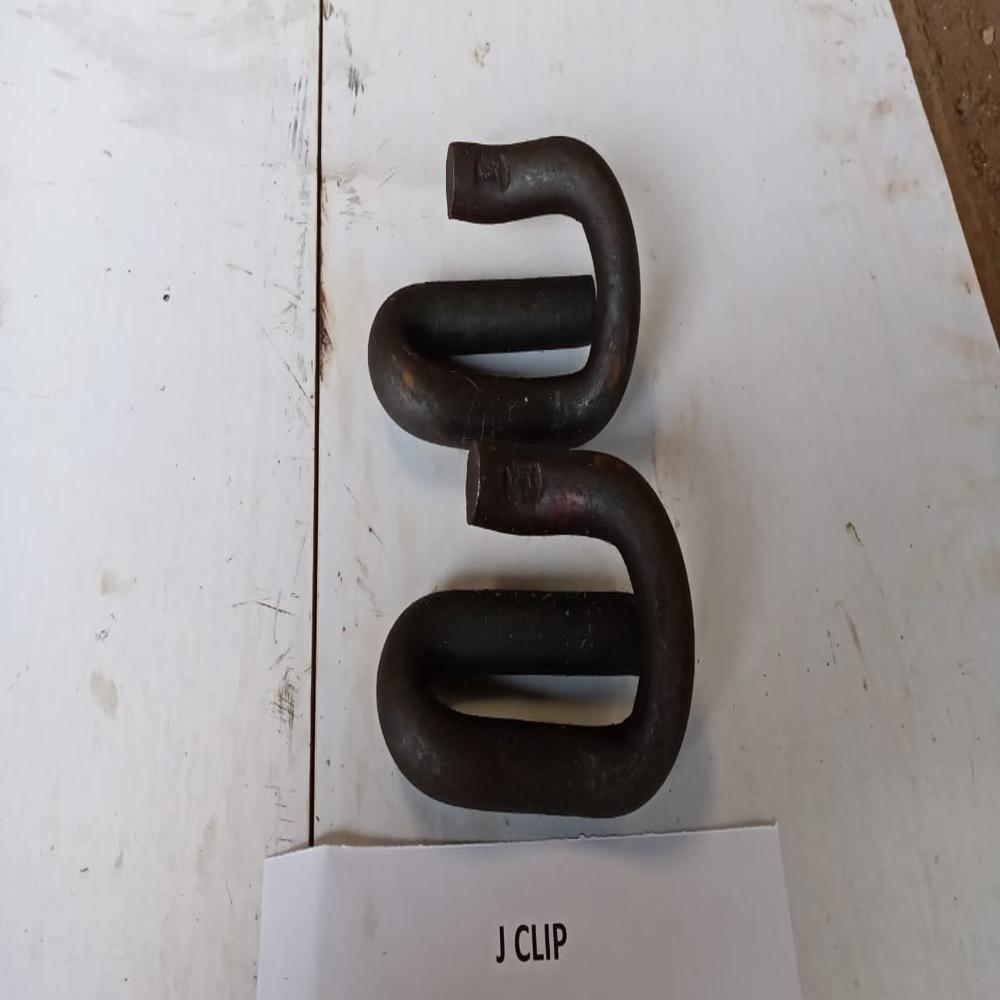
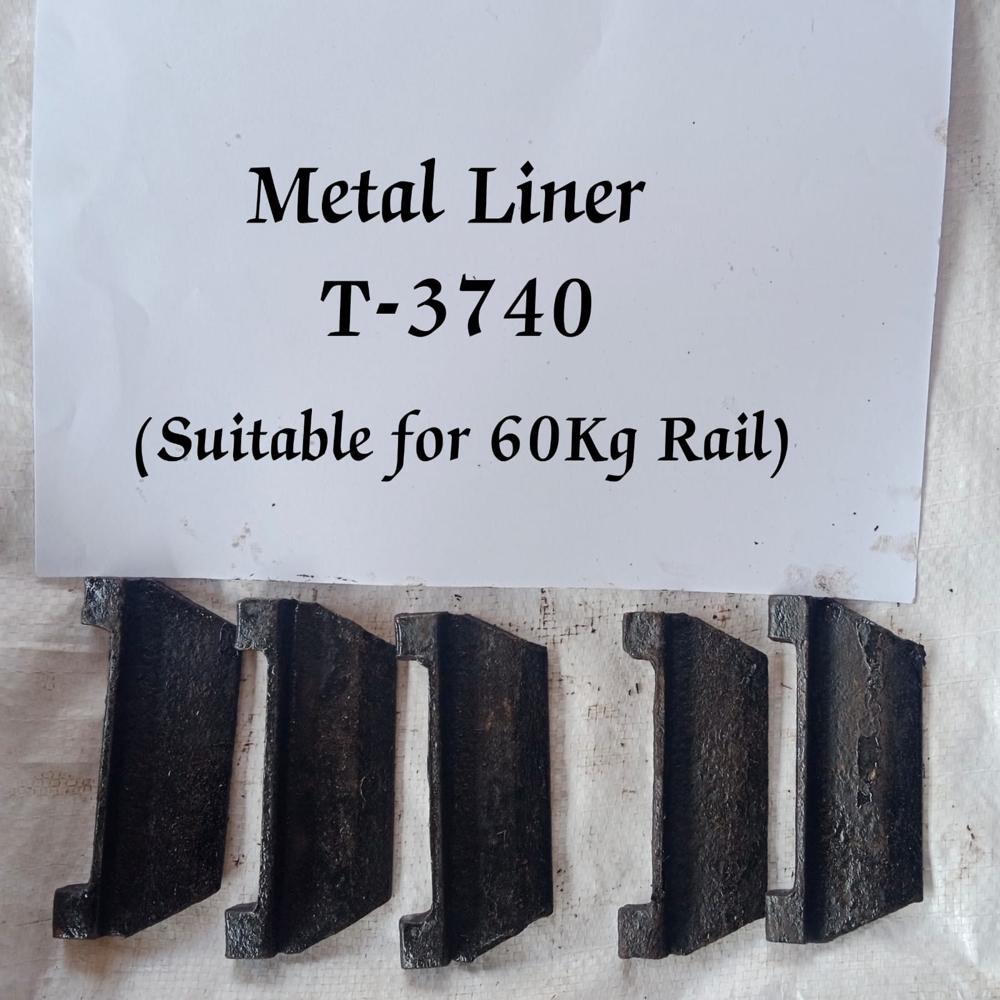
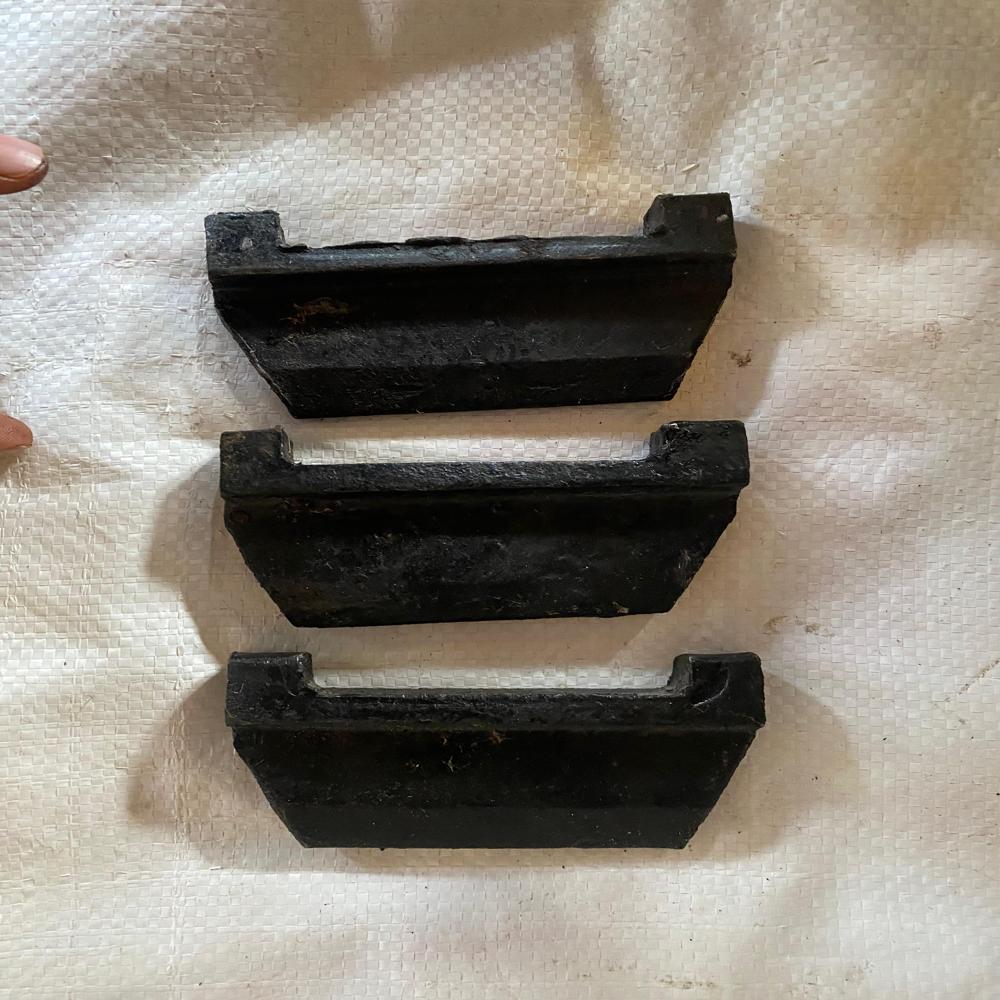
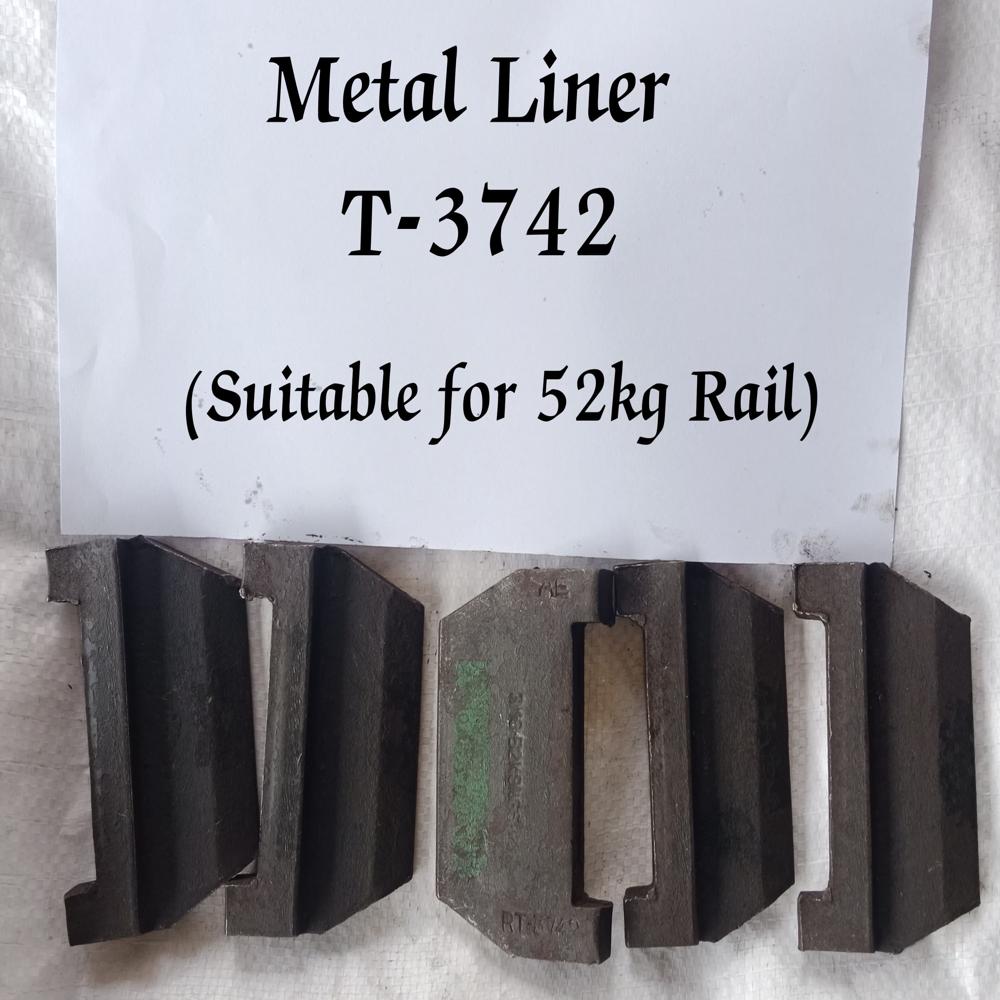

Rail Joints Rail Track Fittings Specification
- Weight
- 52-60 Kilograms (kg)
- Color
- Black
- Type
- Rail Joints Rail Track Fittings
- Material
- Iron
- Finish
- Others
- Surface
- Color Coated
Rail Joints Rail Track Fittings Trade Information
- Minimum Order Quantity
- 100 Number
- Payment Terms
- Cash in Advance (CID)
- Supply Ability
- 1000 Per Month
- Delivery Time
- 7 Days
- Sample Available
- No
- Sample Policy
- Within a certain price range free samples are available
- Main Domestic Market
- All India
About Rail Joints Rail Track Fittings
Railway track fittings are components used to assemble and maintain railway tracks. They ensure the safe and efficient operation of trains by providing a secure and stable rail infrastructure.
Types of Railway Track Fittings
- Rail clips: Used to secure rails to sleepers or other supporting structures.
- Rail pads: Placed between the rail and sleeper to reduce vibration and wear.
- Sleeper screws: Used to fasten sleepers to the rail or other components.
- Fishplates: Used to join two rails together at a joint.
- Bolts and nuts: Used to secure various components, such as fishplates or rail clips.
Importance of Railway Track Fittings
- Safety: Properly installed and maintained track fittings ensure the safe operation of trains and passengers.
- Reliability: Well-maintained track fittings reduce the risk of track failures and disruptions, ensuring reliable train operations.
- Durability: High-quality track fittings can withstand heavy loads and harsh environmental conditions, extending the lifespan of the rail infrastructure.
Applications
- New track construction: Track fittings are used to assemble and secure new railway tracks.
- Maintenance and repair: They are used to repair or replace existing track components, ensuring the continued safe operation of trains.
Durable Iron Construction
Crafted from premium-grade iron, these rail joints and track fittings offer high strength and longevity. Their sturdy construction ensures they can withstand the rigorous demands of railway operations, reducing the need for frequent replacements and maintenance.
Color Coated Surface for Longevity
The fittings are coated with a resilient black finish, which serves as a strong barrier against corrosion and wear. This color coating not only enhances the visual appeal but also adds a layer of protection, extending the operational lifespan of your track components.
FAQs of Rail Joints Rail Track Fittings:
Q: How are rail joints and track fittings used in railway construction?
A: Rail joints and track fittings are employed to connect the ends of two rails, creating a seamless and safe alignment for railway lines. Their installation is critical to maintaining track continuity and preventing misalignments, ensuring safety and smooth rail vehicle movement.Q: What is the primary material used in these rail joints and fittings?
A: These rail joints and track fittings are manufactured from high-grade iron, known for its strength and reliability. The iron material offers excellent durability and load-bearing capacity, which is essential for railway infrastructure.Q: When should rail joints and track fittings be replaced or maintained?
A: Regular inspections are recommended to check for signs of wear, rust, or damage. Replacement or maintenance should be done if any defects are observed, particularly after extended use or exposure to extreme weather conditions, to guarantee ongoing railway safety.Q: Where are these rail joints and fittings commonly manufactured and supplied?
A: These products are manufactured, supplied, and traded across India by established companies specializing in railway components. Their wide availability supports projects nationwide, including new rail construction and track renovation.Q: What is the process for installing iron rail joints and fittings?
A: Installation involves aligning the rail ends, securely fastening the rail joints in place using bolts and nuts, and ensuring all fittings are tightly attached. Proper installation is vital to the integrity and safety of the railway track.Q: What benefits does the black color coated surface offer?
A: The black color coated surface provides enhanced resistance against corrosion and adverse weather conditions. This protective layer minimizes maintenance needs and extends the working life of the fittings in demanding environments.Tell us about your requirement

Price:
Quantity
Select Unit
- 50
- 100
- 200
- 250
- 500
- 1000+
Additional detail
Mobile number
Email

More Products in Railway Track Fittings Category
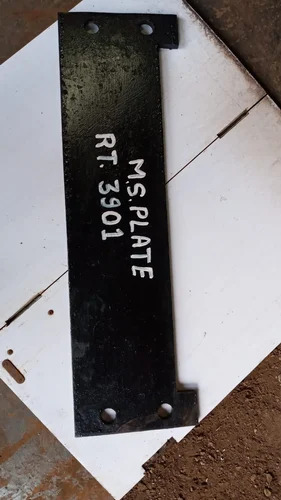
MS Plate And Flat Tie Bar For Turnouts
Price 2500.0 INR / Number
Minimum Order Quantity : 1 Number
Finish : Black
Material : MS
Weight : 20 Kilograms (kg)
Surface : Polished
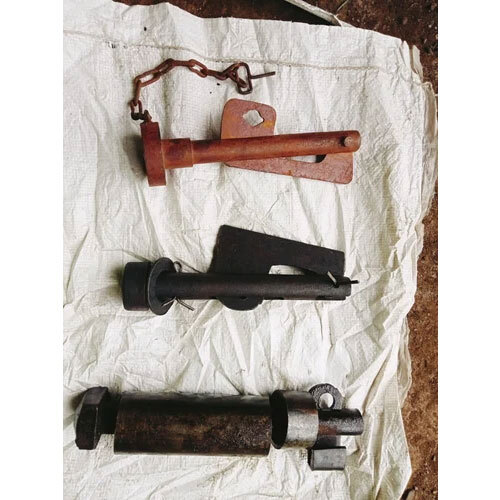
Point Locking Bolt
Price 820.0 INR / Number
Minimum Order Quantity : 100
Finish : Others
Material : Iron
Weight : 5260 Kilograms (kg)
Surface : Color Coated
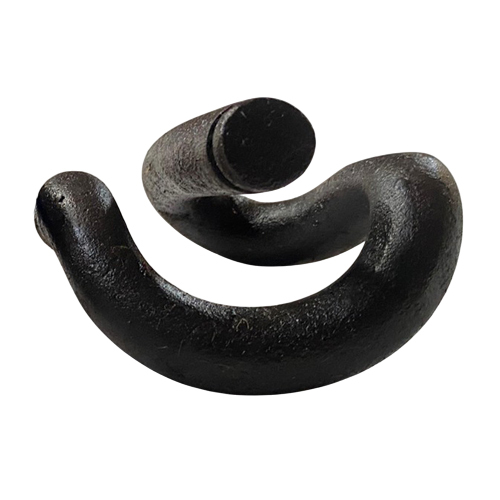
T-6254 Anti Theft ERC With Sir Clip
Price 120.0 INR / Piece
Minimum Order Quantity : 100 Kilograms
Finish : Others
Material : Mild Steel
Weight : 1.1 Kilograms (kg)
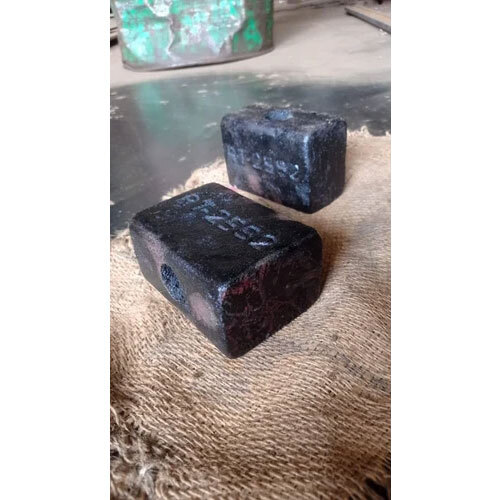
Railway Cast Iron Blocks
Price 550 INR / Piece
Minimum Order Quantity : 100 Pieces
Finish : Others, Polished
Material : Cast Iron
Weight : 5 Kilograms (kg)
Surface : Color Coated

 Send Inquiry
Our Products


2nd Floor, Office No. 203, Bharat Indl., Estate, Near Asian Paints Factory, LBS Marg, Bhandup West, Mumbai - 400078, Maharashtra, India

Mr Vigil P. Vora
(Director)
Mobile :08045816408
 Send Inquiry
 Send SMS
 Call Me Free
Developed and Managed by Infocom Network Private Limited.


 English
 Spanish
 French
 German
 Italian
 Chinese (Simplified)
 Japanese
 Korean
 Arabic
 Portuguese